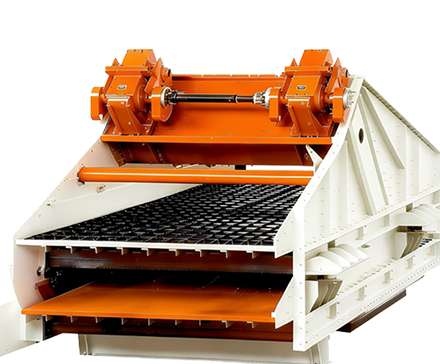
Polyurethane Screen Panel

Advantages of Polyurethane

Superior Wear Resistance

3–5x more wear-resistant than rubber; outperforms metal in withstanding prolonged impact/abrasion.

Elasticity & Self-Cleaning

High elasticity prevents clogging via secondary vibration—ideal for wet, sticky materials like coal slurry.

Hydrolysis & Corrosion Resistance

Stable in water, weak acids/alkalis; no rust, swelling, or hydrolysis ensures durability in humid conditions.

Low Noise

Reduces operational noise by 10–20 dB vs. metal screens.

Lightweight & Easy Handling

Lower density than steel simplifies installation/transport and reduces machine load.

Aging Resistance

Resists UV, temperature changes, and brittleness over time.

High Design Flexibility

Hardness, elasticity, open-area ratio, aperture shape, and surface properties can be customized via formulation and manufacturing adjustments. This allows optimization for varying material properties and screening requirements, maximizing efficiency and service life.

Polyurethane Screen Panels in a Variety of Styles

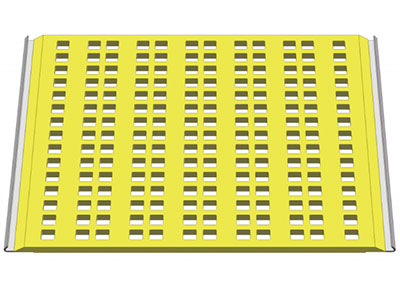
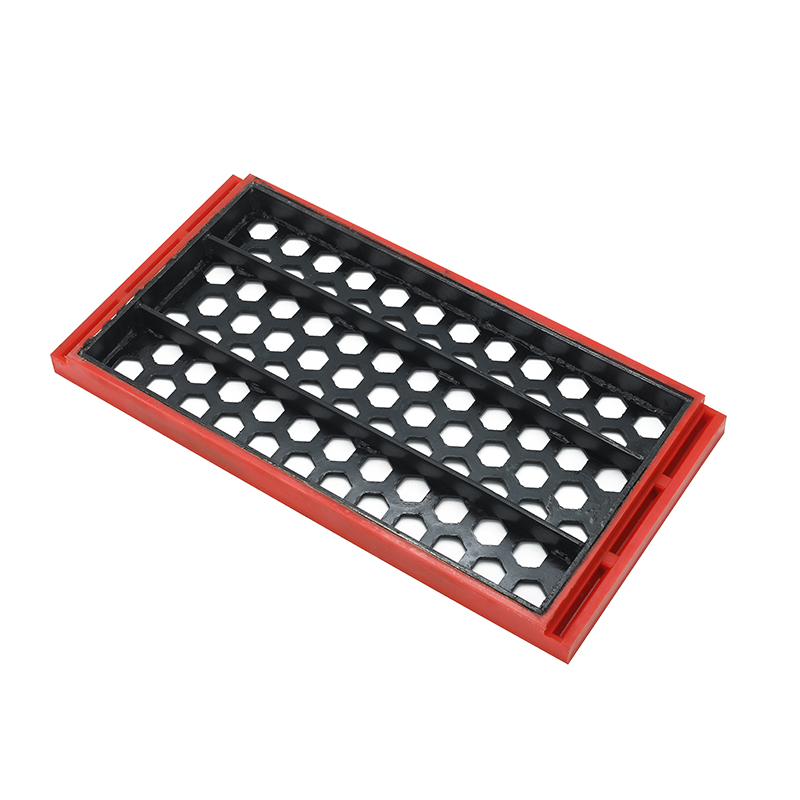
Polyurethane Dewatering Screen

- Polyurethane Dewatering Screen

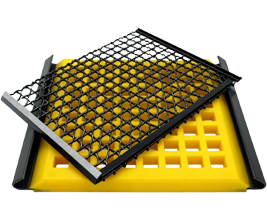
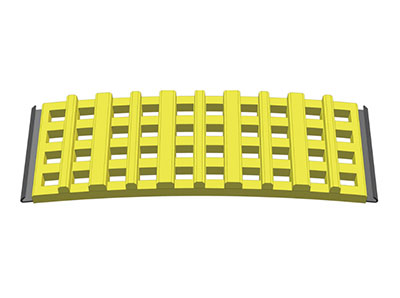
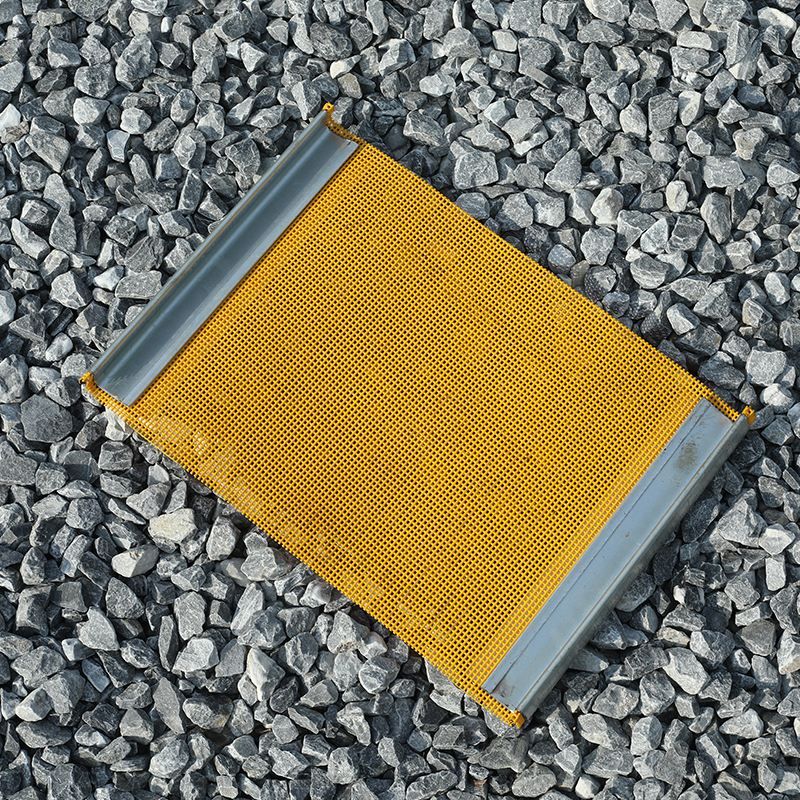
Polyurethane Tension Screen

- Polyurethane Tension Screen

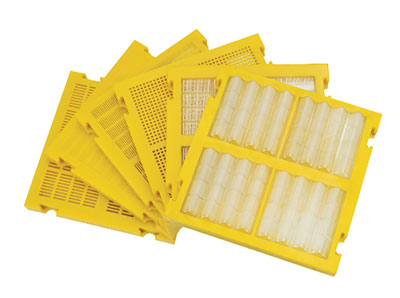
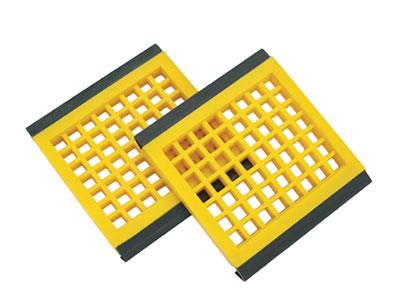
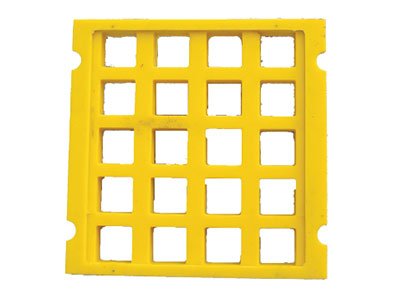
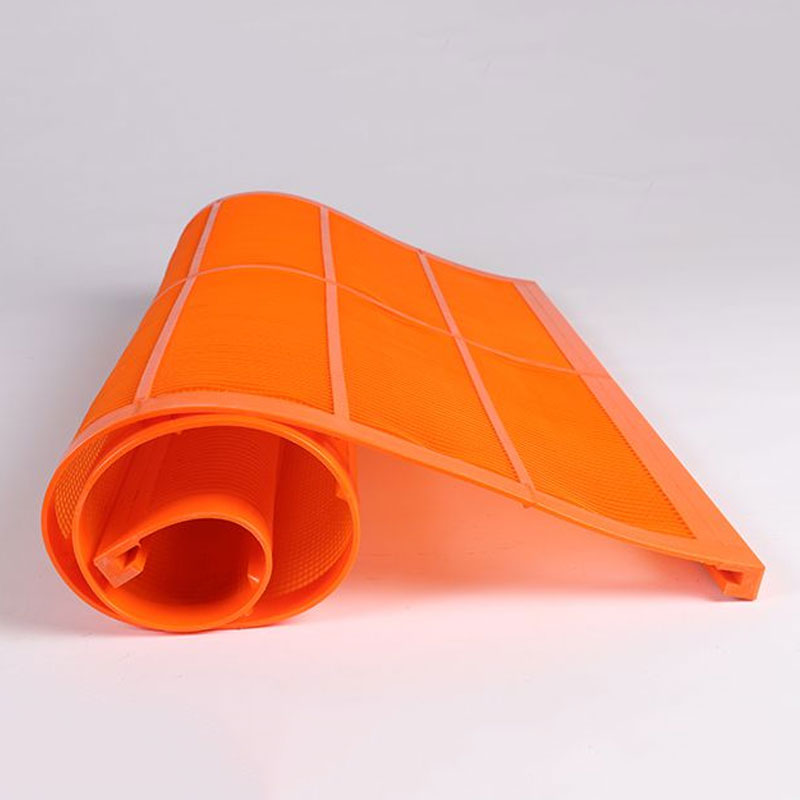
Modular Polyurethane Screen Panels

- Modular Polyurethane Screen Panels

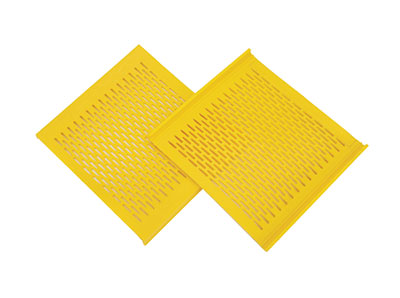
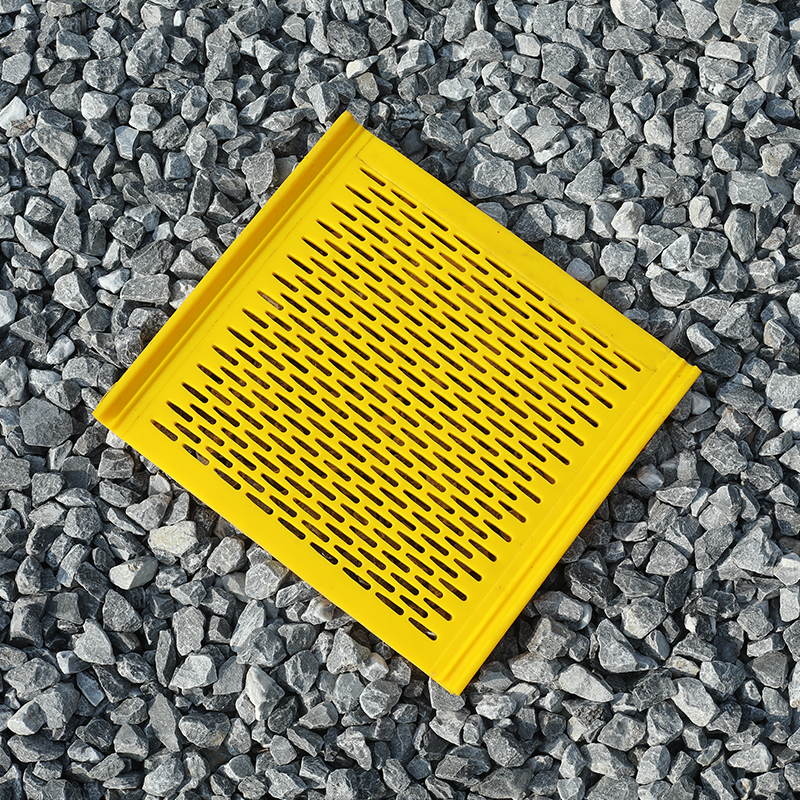
Polyurethane Flip Flow Screen

- Polyurethane Flip Flow Screen

Polyurethane tension screens

- Polyurethane tension screens offer excellent wear resistance and have a service life that is 3 to 10 times longer than ordinary metal screens and 5 times longer than rubber screens.

- These screens can withstand significant material impact forces and weights because they use steel wire rope as the skeleton material combined with the high elasticity inherent in polyurethane. They are ideal for screening materials with larger particle sizes, greater drop heights, and strong impact forces. Their load-bearing capacity exceeds that of rubber screens by more than 2.5 times.

- They also provide vibration damping and noise reduction. Using polyurethane screens instead of metal screens on the same screening machine can reduce noise levels by 5 to 20 decibels.

- Polyurethane screens are highly permeable to water, which prevents moist, fine-grained materials from adhering to them. Their conical openings reduce clogging and improve screening efficiency.

- Taking into account factors such as screening efficiency, maintenance costs, and service life, polyurethane screens provide superior economic benefits overall compared to conventional metal screens.

- Screen aperture range: 0.15–60 mm

- Screen thickness: 25–45 mm

- Hardness range: 80–90A

Ordinary Polyurethane tension screens

• Ordinary Polyurethane tension screens

Load-bearing capacity Polyurethane tension screens

• Load-bearing capacity Polyurethane tension screens

Various Installation Methods

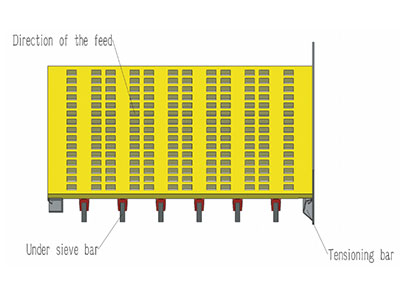
Installation Method Image 1
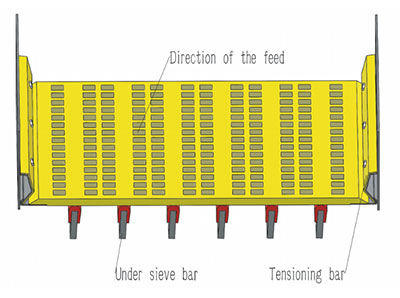
Installation Method Image 2
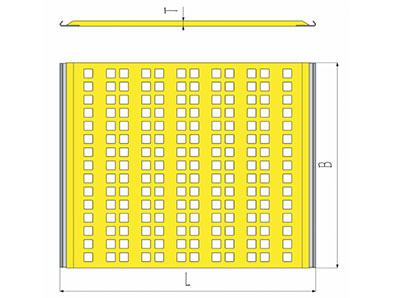
Product Specifications
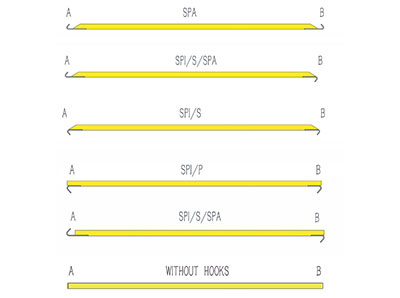
Various Installation Hook Types

Accessories

Tensioned Steel Plate
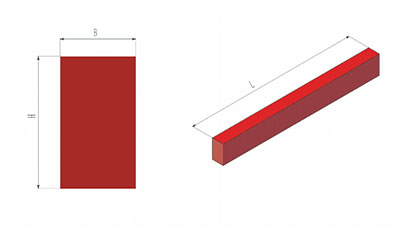
Polyurethane Support Bar

Installation Method 2

Installation Exploded View
Installation Method 2 Exploded View
Product Specifications
Method 2 Product Specifications
Accessories
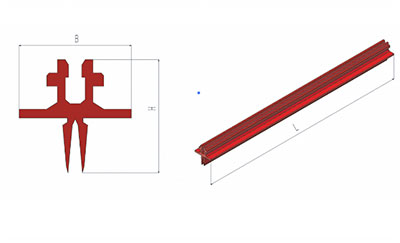
Polyurethane Rail Seat 1
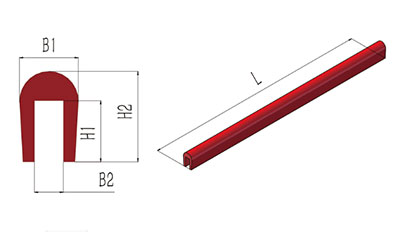
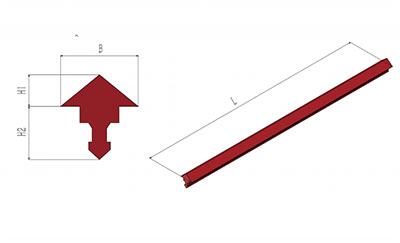
Polyurethane Pressure Strip
Polyurethane Rail Seat
Polyurethane Rail Seat 2

Installation Method 3

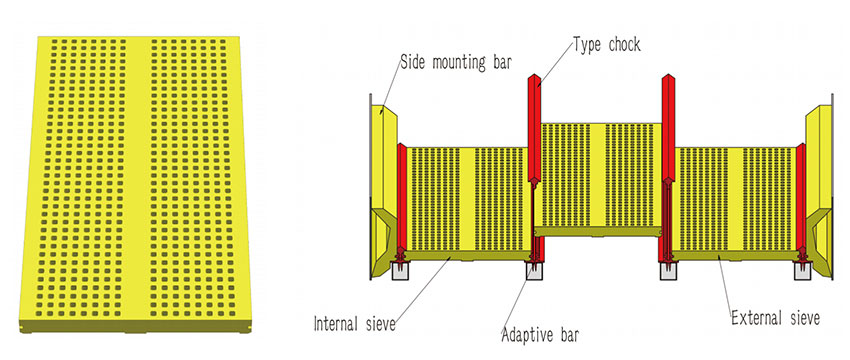
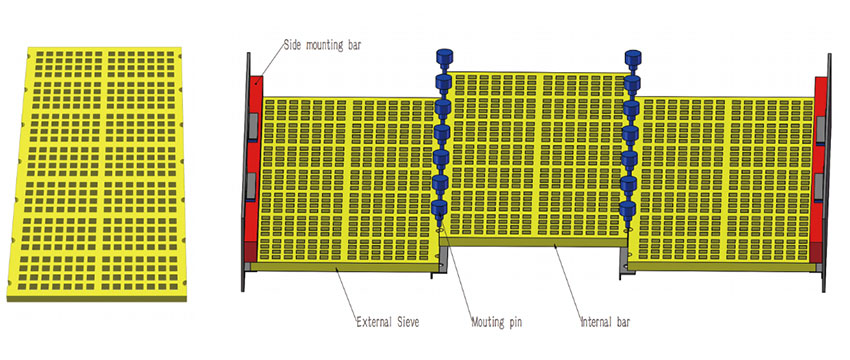
Installation Exploded View
Installation Method 3 Exploded View
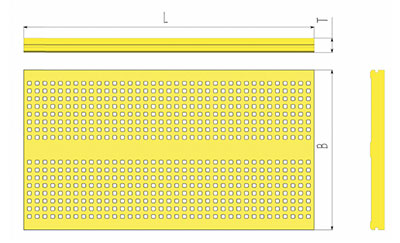
Product Specifications
Method 3 Product Specifications
Accessories
Pins
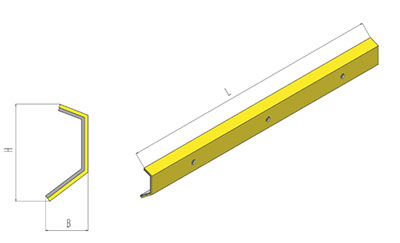
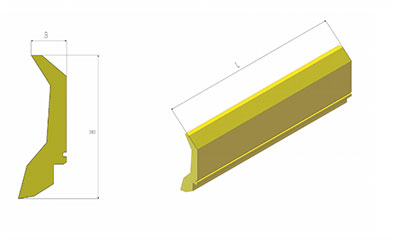
Polyurethane Side Pressure Plate
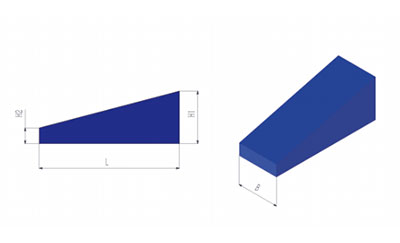
Polyurethane Wedge Block
Go Back Top