Water Treatment

Water Treatment

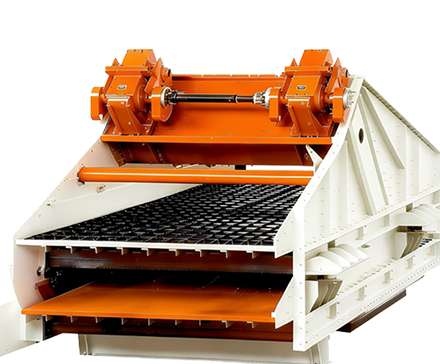
Mineral screens play a vital role in the water treatment industry Their core functions are physical screening , impurity interception and process protection, which directly affect water purification efficiency, equipment life and operating costs


0022.jpg

1. Pretreatment stage: coarse screening and solids interception


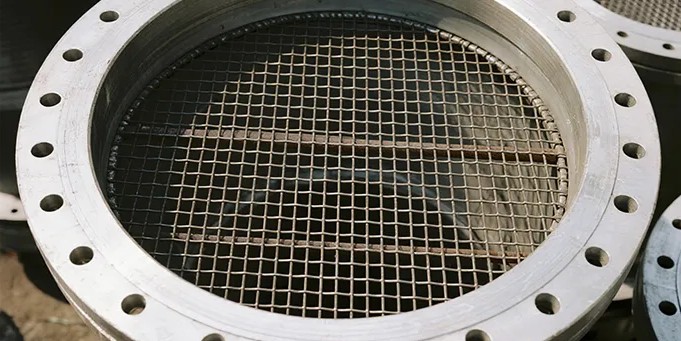
Screen (coarse/medium/fine):

Application scenarios:

Water inlet of municipal sewage treatment plant and front end of industrial wastewater treatment.

effect:

Intercept large solids (branches, plastics, household garbage) to prevent clogging of pumps, valves and pipes;

Protect subsequent biological treatment units (such as aeration tanks and MBR membranes) from mechanical damage.

Screen Type:

Stepped grid screen: used for high-flow sewage, with a gap of 20-50mm;

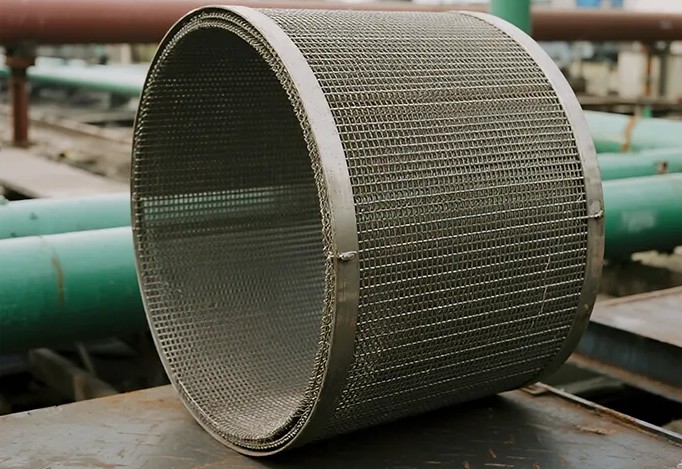
Drum type fine screen: gap 1-6mm, removes hair, fiber and other small debris.

0036.jpg

2. Fine filtration: suspended matter removal and pre-membrane protection


Microfiltration screen (vibrating/rotating drum type):

Application scenarios:

Pretreatment of membrane bioreactor (MBR) and reverse osmosis (RO) systems.

effect:

Removes 0.1-1mm suspended particles, reduces membrane fouling risk, and extends membrane life by 3-5 times;

Reduce the frequency of chemical cleaning (e.g., extend the RO membrane cleaning cycle from monthly to quarterly).

Screen Type:

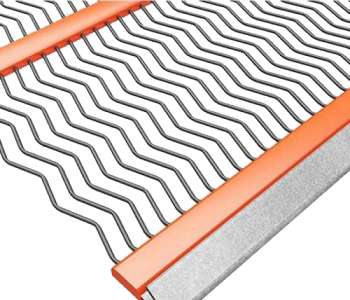
Stainless steel wedge wire screen: pore size 0.2-0.5mm, strong corrosion resistance;

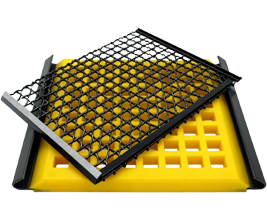
Polyurethane self-cleaning screen: with bouncing ball design to prevent clogging.

3. Industrial wastewater treatment: separation of special pollutants


High frequency vibrating screen:

Application scenarios:

Electroplating wastewater (metal particles), textile printing and dyeing wastewater (fiber debris), food processing wastewater (grease suspended matter).

effect:

Separate heavy metal particles (such as copper powder, nickel slag) and recycle resources;

Intercept fiber impurities to avoid entanglement of biological fillers or clogging of aeration heads.

Screen Type:

Acid and alkali resistant polyester screen: pH tolerance range 1-14;

Anti-stick coating screen: reduces grease adhesion (such as PTFE coating).

4. Seawater desalination and drinking water purification


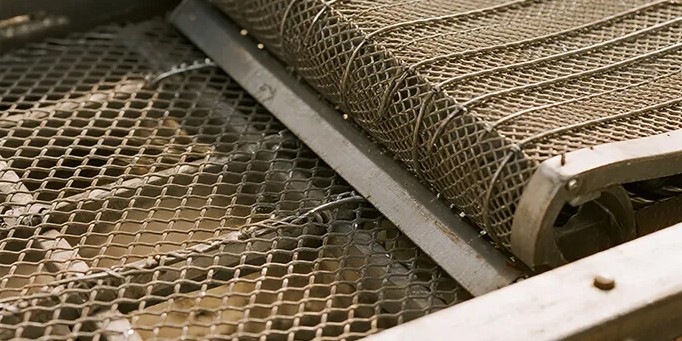
Multi-layer composite screen:

Application scenarios:

Seawater pretreatment (removal of algae and shell fragments), raw water filtration in drinking water plants.

effect:

Protect high-pressure pumps and reverse osmosis membranes from wear caused by hard particles;

Improve effluent water quality (turbidity ≤ 1NTU).

Screen Type:

Titanium alloy screen: resistant to seawater corrosion, service life of more than 10 years;

Ultra-high molecular weight polyethylene (UHMWPE) screen: prevents biofilm growth.

5. Sludge treatment and dewatering


Centrifugal screen:

Application scenarios:

Feed end of belt filter press and centrifugal dehydrator.

effect:

Pre-screening of large particles of impurities (such as gravel and plastic pieces) in sludge to prevent damage to dewatering equipment;

Improve the solid content of sludge (from 0.5% to 5%) and reduce the energy consumption of subsequent treatment.


Key Role and Industry Value

1. Process protection and cost control:


Intercepting large particles can reduce the frequency of pump and valve maintenance (repair costs reduced by 40%);

Extend the life of the membrane system (saving 500,000 to 1,000,000 yuan/year in RO membrane replacement costs).

2. Water quality improvement and compliance:


Ensure that the effluent suspended solids (SS) is ≤10mg/L, meeting the Pollutant Discharge Standard for Urban Wastewater Treatment Plants (GB 18918-2002);

The heavy metal removal rate in industrial wastewater has been increased to over 95% (for example, the copper ion concentration in electroplating wastewater has been reduced from 50 mg/L to 1 mg/L).

3. Resource recovery and recycling:


Recover metal particles from wastewater (e.g. copper powder recovery value is 3,000 yuan/ton);

After dehydration, the sludge is incinerated to generate electricity, realizing energy utilization.

如何为我的物料选择合适的筛网类型?

选择取决于物料硬度、含水量、颗粒大小和冲击力:

  • 潮湿或粘性物料 → 聚氨酯筛网(防堵塞)

  • 高磨损物料 → 锰钢编织网或冲孔板

  • 高精度筛分 → 不锈钢编织网

  • 重冲击物料 → 钢边聚氨酯板或橡胶筛板

选择正确的筛网可以提高产量并减少停机时间。

矿用筛网的典型使用寿命是多少?

使用寿命随物料磨蚀性、振动频率、安装张力和筛网类型而变化:

  • 聚氨酯筛网:3-12 个月

  • 锰钢筛网:1-6 个月

  • 不锈钢筛网:2-8 个月

  • 橡胶板:4-12 个月

正确的张紧和选择合适的孔径可显著延长使用寿命。

为什么我的筛网会堵塞,如何预防?

堵塞由于水分、不规则颗粒形状或不合适的孔径设计引起。 预防方法:

  • 使用自清理筛网(波浪型或琴弦型)

  • 更换为聚氨酯防堵塞筛网

  • 调整振动振幅和筛面倾角

  • 对潮湿或泥泞物料进行预筛分

防堵塞解决方案大大提高了筛分效率。

更换筛网时应注意什么?

更换期间的关键点包括:

  • 确保整个筛网的张力一致

  • 检查筛框是否有变形

  • 钩子类型或紧固系统与您的筛机匹配

  • 清理筛床以清除残留物料

正确的安装可减少破损并提高筛分精度。

如何提高整体筛分效率?

筛分效率可以通过以下方式提高:

  • 选择合适的孔径和筛网材料

  • 调整振动频率和筛子倾角

  • 保持均匀的物料进给

  • 使用多级筛分设计

  • 定期维护筛床和筛网

通常可实现 10-30% 的效率提升。

矿山及采石场筛网制造商 – 红星丝网
回到顶部