-
-
-
中国河北省安平县城东开发区红星路 1 号
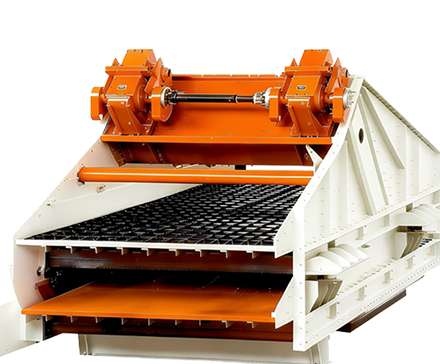
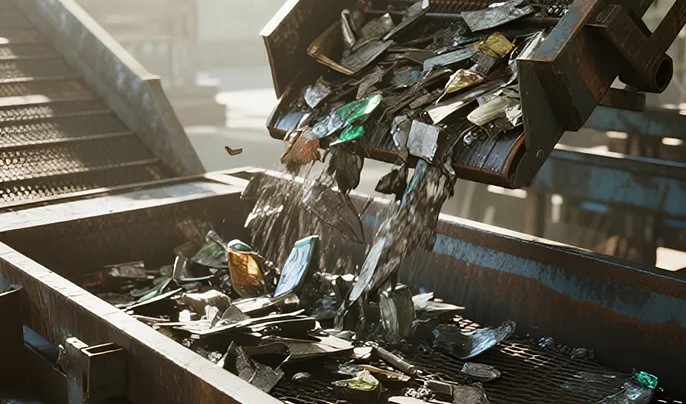
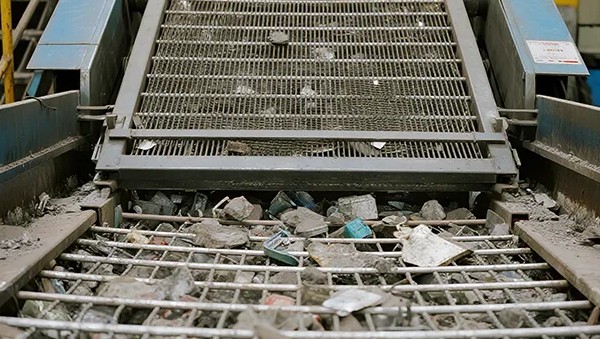
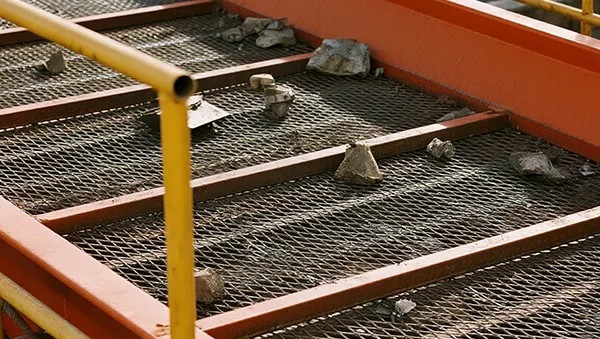
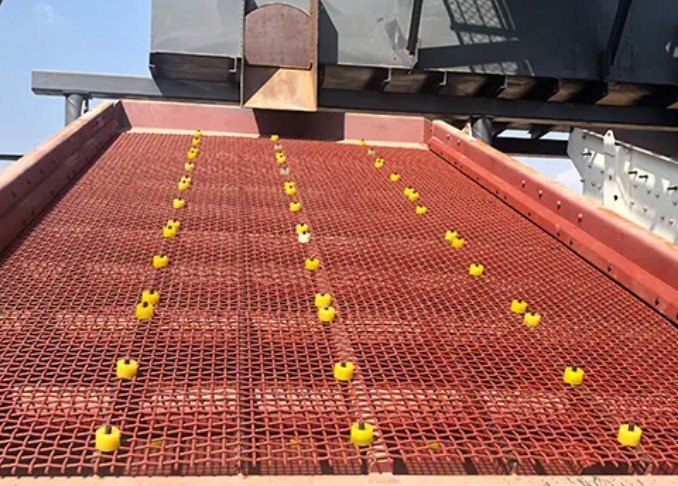
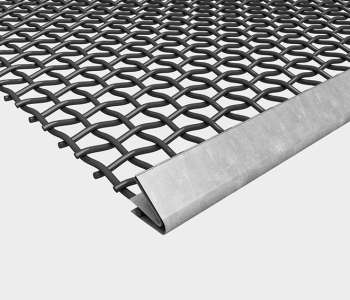
Mineral screening machines are essential key equipment in the recycling industry Their core role lies in efficient sorting, resource purification, and waste reduction, helping to achieve circular economy and sustainable development goals

Sorting process:
The mining screen is used for multi-stage screening of crushed construction waste (concrete blocks, bricks and tiles, wood, plastic, etc.) to separate recycled aggregates of different particle sizes (such as 0-5mm fine aggregate for mortar, 5-30mm coarse aggregate for roadbed filling).
effect:
Remove impurities: Separate non-aggregate components such as steel bars and plastics through the difference in screen aperture;
Improve recycling rate: Increase the resource utilization rate of construction waste from less than 30% to more than 70%;
Reduce costs: Recycled aggregate replaces natural sand and gravel, saving raw material procurement and transportation costs.

Separation of metals and non-metals:
The mine screen is combined with crushing equipment to crush waste electronic products (circuit boards, cables) and classify them according to particle size. The vibrating screen is used to separate metal particles (copper, aluminum) and non-metallic materials (plastics, ceramics).
effect:
Improve metal recovery rate: extract high-purity metal powder through precision sieve (such as 0.5-2mm aperture);
Reduce pollution: Screen out fine particles containing harmful substances such as lead and mercury to reduce environmental risks.
Crushing residue sorting:
After magnetic separation of automobile crushing residue (ASR), the mine screen separates non-ferrous metals (aluminum, zinc), plastics and glass fibers from the remaining materials.
effect:
Refined recycling: multi-layer screens (such as 10mm, 5mm, 2mm) achieve multi-level sorting;
Maximizing resources: The recycling rate is increased to over 85%, reducing the amount of landfill.
Color and material sorting:
High-frequency vibrating screens separate crushed plastic fragments (such as PET bottle flakes and HDPE granules) by particle size, and optical sorting technology is used to improve purity.
effect:
Control the quality of recycled materials: Screen out impurities and discolored particles to ensure that the recycled plastic meets food grade or industrial grade standards;
Increase added value: The price of high-purity recycled plastics can be 30%-50% higher than that of mixed materials.
Pretreatment before smelting:
Mineral screens are used to sort scrap steel, aluminum chips and other metal waste, remove dirt, oil and other impurities, and meet the feeding requirements of electric furnaces or smelting furnaces.
effect:
Reduce energy consumption: The purity of metal is improved after screening, reducing energy waste during smelting;
Extend equipment life: reduce corrosion of the furnace wall caused by impurities.
Applicable scenarios:
Grading of recycled aggregates from construction waste and sorting of metal waste.
Technical features:
Large processing capacity (200-1000 tons/hour), suitable for large-scale recycling lines;
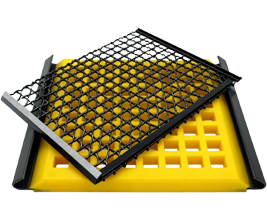
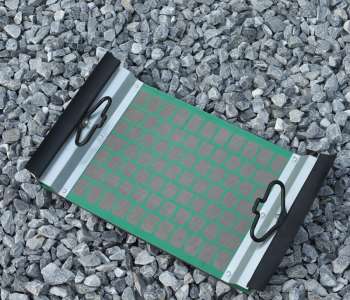
The screen material is mostly high manganese steel or polyurethane, which has strong impact resistance.
Applicable scenarios:
Primary sorting of electronic waste and pre-screening of plastic fragments.
Technical features:
Simple structure, suitable for materials with high moisture content or viscosity;
The sieve holes can be customized (5-50mm) to separate large impurities.
Applicable scenarios:
Ultrafine powder recovery (such as lithium battery positive electrode materials, precious metal dust).
Technical features:
Screening accuracy is above 400 mesh;
No mechanical vibration, suitable for lightweight materials that are prone to dust.
Applicable scenarios:
Fine-particle metal powder recovery and plastic micropowder sorting.
Technical features:
High-frequency micro-vibration, anti-blocking hole design;
The screen has a long service life (6-12 months for polyurethane material).

1. Construction waste recycling project:
An environmental protection company uses the "jaw crusher + impact crusher + three-layer vibrating screen" process to convert demolition waste into 0-4.75mm, 4.75-9.5mm, and 9.5-31.5mm recycled aggregates for municipal road construction, with an annual processing capacity of 1 million tons.
2. Electronic waste metal recycling:
A recycling company uses a high-frequency vibrating screen (aperture 0.3mm) to sort circuit board scraps, increasing the copper recovery rate from 75% to 92% and increasing annual revenue by US$3 million.
3. Plastic bottle recycling line:
The drum screen pre-screens label fragments, and the airflow screen selects 0.5-2mm PET bottle flakes with a purity of 99.5%, meeting food-grade recycling requirements.
选择取决于物料硬度、含水量、颗粒大小和冲击力:
潮湿或粘性物料 → 聚氨酯筛网(防堵塞)
高磨损物料 → 锰钢编织网或冲孔板
高精度筛分 → 不锈钢编织网
重冲击物料 → 钢边聚氨酯板或橡胶筛板
选择正确的筛网可以提高产量并减少停机时间。
使用寿命随物料磨蚀性、振动频率、安装张力和筛网类型而变化:
聚氨酯筛网:3-12 个月
锰钢筛网:1-6 个月
不锈钢筛网:2-8 个月
橡胶板:4-12 个月
正确的张紧和选择合适的孔径可显著延长使用寿命。
堵塞由于水分、不规则颗粒形状或不合适的孔径设计引起。 预防方法:
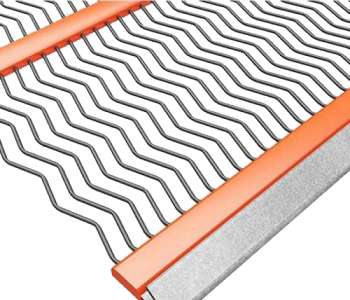
使用自清理筛网(波浪型或琴弦型)
更换为聚氨酯防堵塞筛网
调整振动振幅和筛面倾角
对潮湿或泥泞物料进行预筛分
防堵塞解决方案大大提高了筛分效率。
更换期间的关键点包括:
确保整个筛网的张力一致
检查筛框是否有变形
钩子类型或紧固系统与您的筛机匹配
清理筛床以清除残留物料
正确的安装可减少破损并提高筛分精度。
筛分效率可以通过以下方式提高:
选择合适的孔径和筛网材料
调整振动频率和筛子倾角
保持均匀的物料进给
使用多级筛分设计
定期维护筛床和筛网
通常可实现 10-30% 的效率提升。