-
-
-
中国河北省安平县城东开发区红星路 1 号
01
Jan
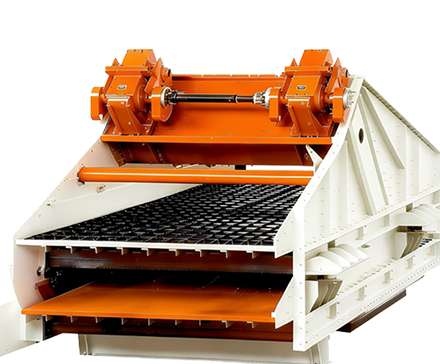
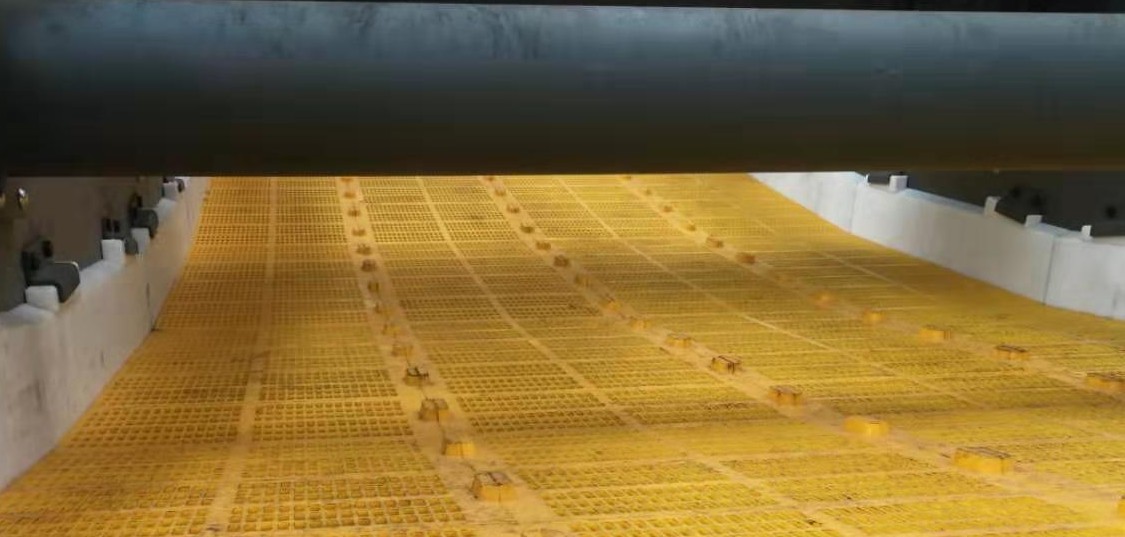
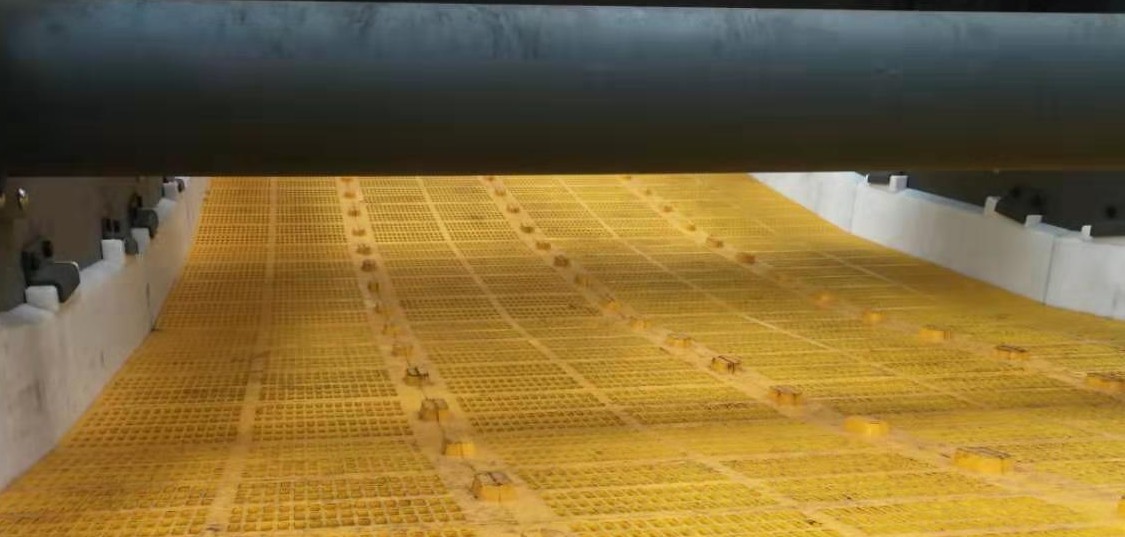
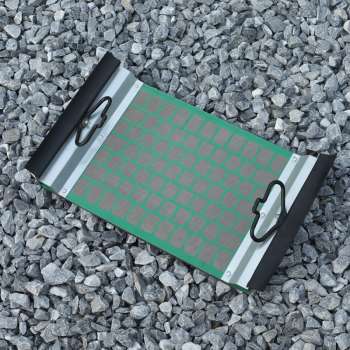
We all know that the screen mesh used with mining vibrating screens is a wear part and needs frequent replacement. To extend the service life of the vibrating screen, it is essential to understand the causes of common screen mesh malfunctions and address them promptly. Today, a polyurethane screen manufacturer will provide a detailed introduction to common faults and troubleshooting methods for mining vibrating screen mesh:
The most common problem with mining vibrating screen mesh is mesh blockage. This leads to poor screening quality. Blockage is often caused by increased fine particles and moisture in the material entering the screen, resulting in an excessively thick material layer on the screen and uneven feeding. Another issue is loose tension on both sides of the screen. If it's an eccentric shaft vibration, the belt may be weak or too loose. After addressing these mechanical issues, a period of reverse rotation can improve screening quality.

1. Poor Screening Quality
Improper operation, mesh blockage, increased fine particles and moisture in the material entering the screen, resulting in an excessively thick material layer on the screen or uneven feeding will all cause poor screening quality. 1. Tighten both sides of the screen. After addressing the mechanical issues, perform a period of reverse rotation to improve screening quality.
2. Failure to start or insufficient amplitude
In this case, check the motor for damage, electrical obstructions, and insufficient voltage. If all are fine, check mechanically to see if there is excessive material buildup on the screen surface. If so, remove it. After cleaning, repair the vibrator and adjust the position of the eccentric shaft weight or auxiliary eccentric block as needed.
3. Abnormal material flow on the screen surface
This may be due to insufficient rigidity of the screen box, a critical frequency, or loose connecting bolts. Tighten them promptly if necessary. The screen box may also be horizontally misaligned. Check the support seats or springs themselves for problems; replace the springs or adjust the support dimensions. If insufficient screen box rigidity and horizontal misalignment persist, it can cause beam breakage, leading to abnormal material flow if the screen continues to operate. Damage to the screen mesh is another possibility; simply replace the screen mesh. Improper operation, such as extremely unbalanced feeding, is also a cause. Common Faults and Troubleshooting Methods for Mining Vibrating Screens
4. Side Plate Cracks, Crossbeam Breakage, Structural Component Damage
This situation doesn't occur suddenly. It's caused by prolonged operation at the critical frequency, or excessive weight error in each eccentric block, leading to structural component damage, wall plate cracks, or even crossbeam breakage. In addition to replacing damaged parts and tightening bolts, when repairing wall plate cracks, two 6mm holes must be drilled at both ends to prevent crack propagation. When adding reinforcing plates, several vent holes should be drilled on the reinforcing plates.
5. Vibrating Screen Rotates Slowly, Bearings Overheat
This may be due to poor maintenance, insufficient grease in the bearings, or, if new grease has been added, the grease quality may be poor or it may be overfilled. Inferior grease can clog the labyrinth seal, so the quality of the grease is crucial.
6. Excessive Noise
This could be due to bearing damage, crossbeam breakage, spring damage, or loose bolts. Except for bolts that can be tightened, the other three conditions require replacement of the affected parts.
A slowing vibratory motor rotation and overheating bearings increase the load on the screen, potentially causing damage. This indicates inadequate maintenance, such as insufficient grease in the bearings. If new grease has been added, the problem lies with the grease quality or overfilling. Inferior grease can clog the labyrinth seal, making grease quality crucial.
If the screen box's rigidity is insufficient and the horizontal level is not properly aligned, the crossbeam may break. Continuing to operate this way will also cause abnormal material flow. Improper operation, particularly an unbalanced feed, is another cause. Abnormal material flow on the vibrating screen surface can be due to: 1) insufficient screen box rigidity, a critical frequency, or loosened or completely loosened connecting bolts (needing tightening); 2) misalignment of the screen box's horizontal level. Check the support seats or springs themselves for problems, replacing the springs or adjusting the support dimensions. Damage to the screen mesh can also cause this; replacing the screen mesh will resolve the issue.
If the vibrating screen fails to start or has too small an amplitude, preventing effective material passage, check the electrical components for excessive buildup and remove any such buildup. Check if the coupling bolts on the vibrator are loose, and if the grease has thickened and clumped. If so, clean and repair the vibrator, and then adjust the position of the eccentric shaft weights or auxiliary eccentric blocks as needed.
Cracks in the vibrating screen side plates, broken crossbeams, and damaged structural components do not occur suddenly. They usually result from prolonged operation at the critical frequency. For example, many high-strength bolts securing the side plates may loosen, springs may be severely deformed causing significant height differences between the left and right sides, or the weight error of each eccentric block may be too large, leading to structural damage, wall plate cracks, or even broken crossbeams. In addition to replacing damaged parts and tightening bolts, when repairing wall plate cracks, drill two 6mm holes at both ends to prevent crack propagation. Don't forget to drill several vent holes in the reinforcing plates when adding reinforcement plates.
发表评论
使用此表单即表示您同意信息存储,您也可以现在直接联系我们